



PIM vs. CRM: managing product and customer data for a unified experience
8 December 2025
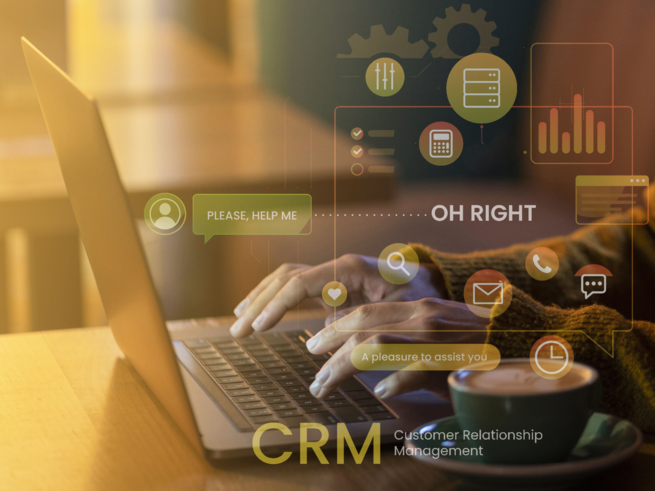
Today, businesses collect a massive amount of data, whether it relates to their products or their customers.
Two systems have become essential for managing and utilising this information: PIM (Product Information Management) and CRM (Customer Relationship Management).
Whilst both deal with strategic data, their objectives, users and scope differ.
So, what is the difference between a PIM and a CRM? And, more importantly, why is their complementary nature essential to a unified customer experience?
PIM vs. CRM: Definitions
What is a CRM?
CRM, or Customer Relationship Management, is a system designed to centralise, analyse and manage all interactions with customers and prospects.
It enables businesses to track the customer journey from start to finish, improve customer loyalty and optimise sales performance.
A CRM typically includes:
- Customer contact and identification details
- Purchase and interaction history
- Data from customer service and support
- Tracking of sales opportunities and the sales pipeline
- Automation of marketing campaigns and lead scoring
The CRM is the single source of truth for customer data, used by marketing, sales and support teams to personalise interactions and maximise customer satisfaction.
What is a PIM?
PIM, or Product Information Management, is dedicated to the management and distribution of product data.
It centralises all the marketing, technical and multimedia information required for marketing across the various channels.
A PIM contains:
- Product descriptions, titles and benefits
- Technical and commercial specifications
- Multilingual data and taxonomies
- Media (images, videos, documents via a DAM)
- Logistics and pricing data
- Links between product ranges, variants and versions
The PIM is the single source of truth for products, used by marketing, e-commerce and catalogue teams to ensure content is consistent and comprehensive.
PIM vs CRM: distinct yet complementary roles
PIM and CRM do not share the same objective.
The former aims to structure and enrich product data, whilst the latter focuses on understanding and managing customer data.
- PIM is mainly used by product marketing, e-commerce and communications teams to ensure the quality and consistency of the content published.
- CRM, on the other hand, is the tool of choice for sales, relationship marketing and customer service teams, who use it to track interactions and personalise the customer relationship.
In other words, PIM focuses on what is being sold, whilst CRM focuses on who it is being sold to and how.
They therefore complement each other naturally: product data from the PIM feeds into the CRM’s personalised campaigns, whilst information from the CRM helps refine product presentations and recommendations.
Why connect your PIM to your CRM?
When used in isolation, both PIM and CRM deliver value in their own right.
When implementing a PIM solution, these two systems can be linked together, offering a comprehensive and powerful view of the product-customer relationship – a real driver of marketing and sales performance.
Here are the main benefits of PIM–CRM integration:
- Enhanced personalisation: the CRM identifies customer preferences, whilst the PIM provides the right products to recommend.
- Complete consistency of information: every customer has access to accurate and up-to-date product data, regardless of the channel.
- Increased productivity: no more duplicate data entry between marketing and sales teams.
- Smarter campaigns: cross-referencing product and customer data enables precise targeting of needs and behaviours.
- A better customer experience: product content is relevant, tailored and delivered at the right time.
Conclusion
PIM leverages product data, whilst CRM leverages customer data.
Together, they form a unified data ecosystem that feeds all touchpoints: e-commerce, email marketing, the sales force and even mobile apps.
In a climate where the customer experience has become a key differentiator, connecting your PIM to your CRM ensures consistency between what you offer and what the customer expects.
This is the key to creating personalised interactions, building trust and boosting conversion rates.